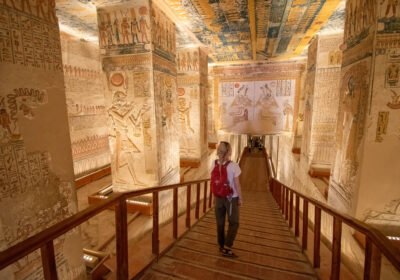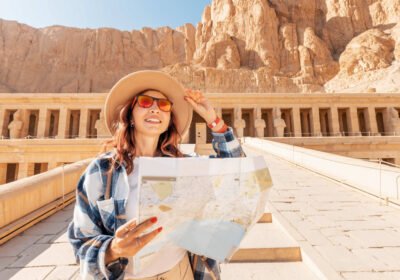
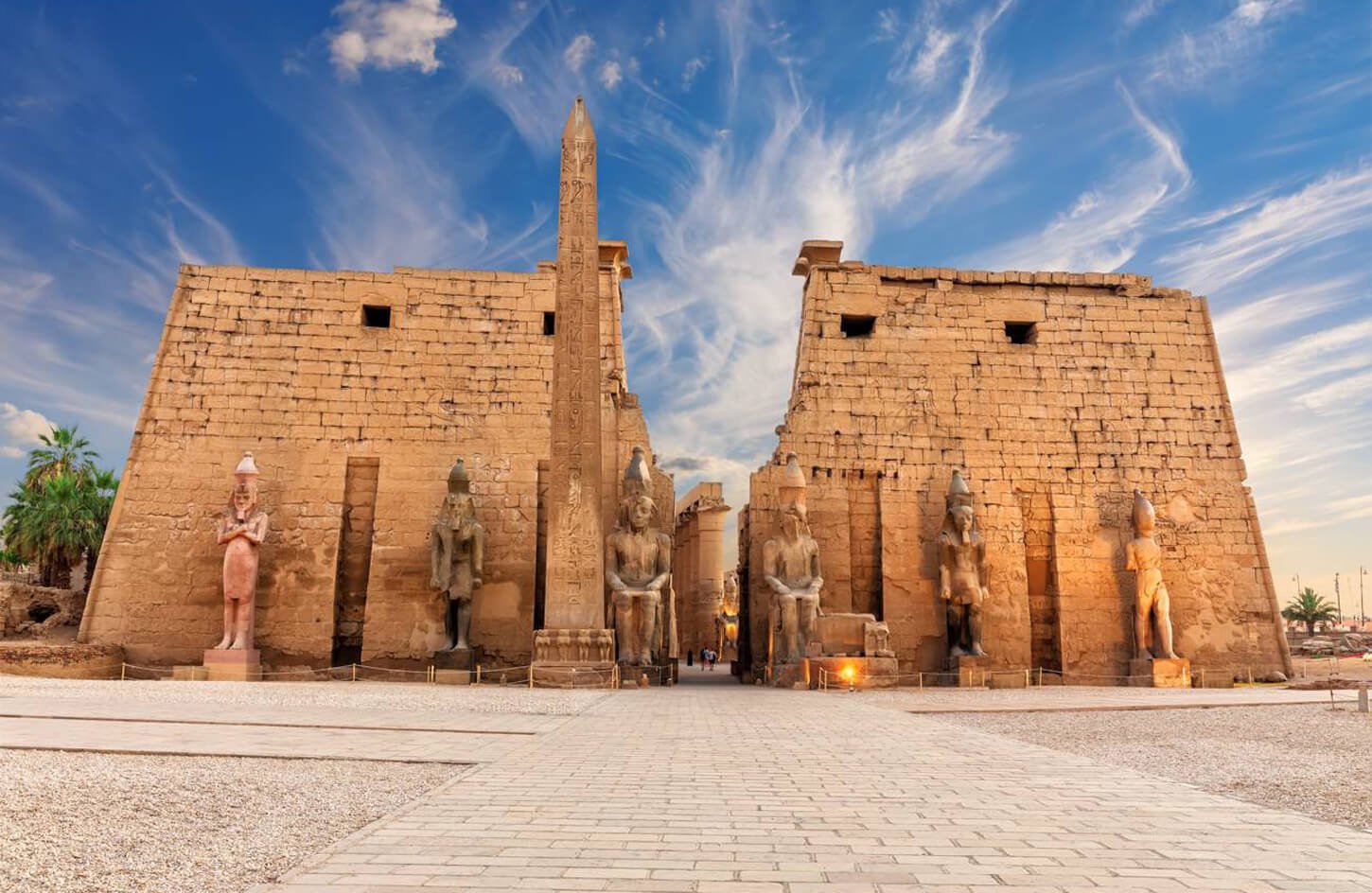
You are about to explore one of Egypt’s most revered ancient sites. It’s a place where the concept of kingship was revered and rejuvenated thousands of years ago.
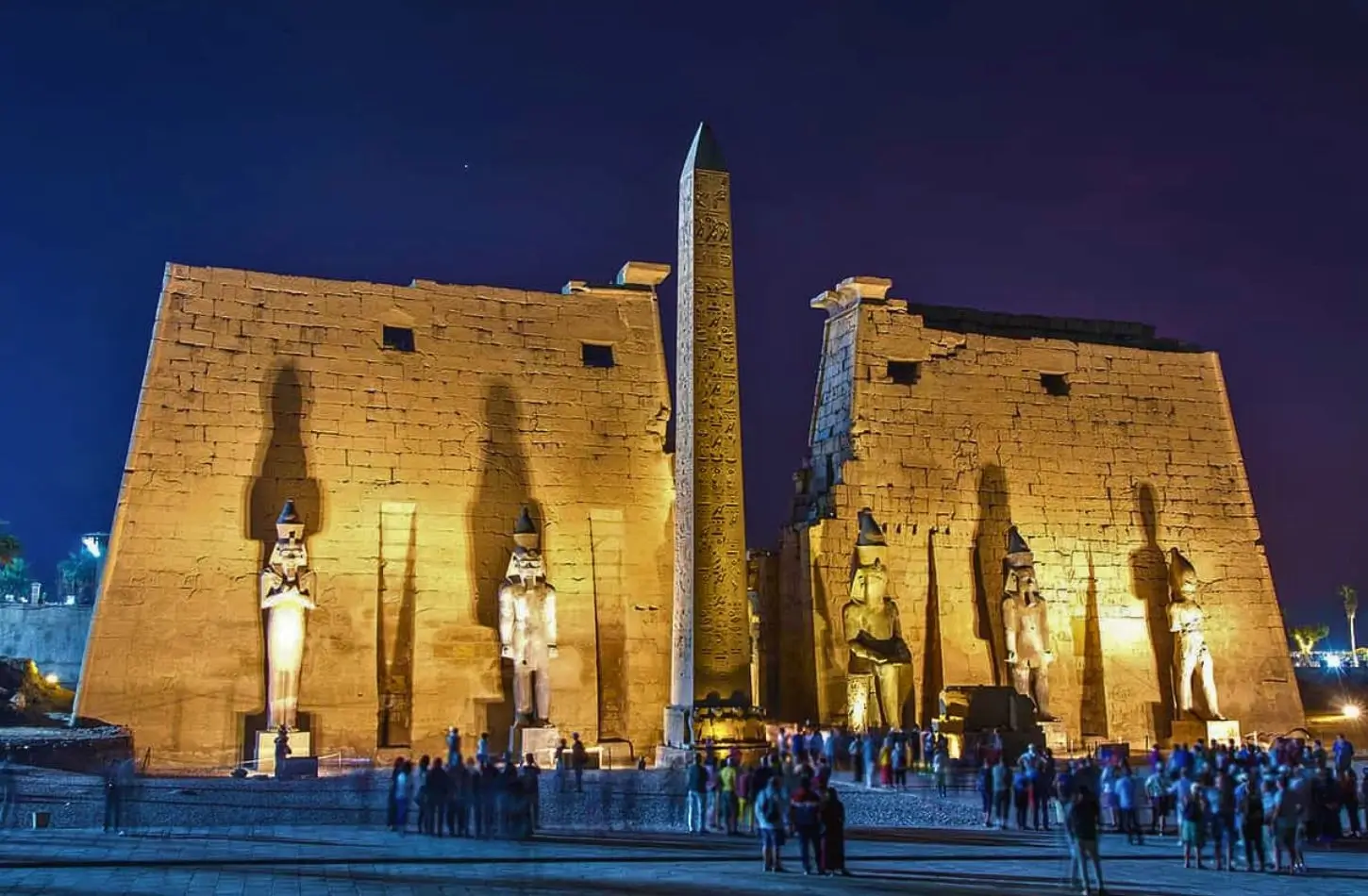
The Luxor Temple is on the east bank of the Nile River. It’s an impressive ancient temple complex that has lasted since its construction around 1400 BCE.
As a sanctuary of great historical significance, it offers a glimpse into Egypt’s rich cultural heritage. It shows the importance of kingship in ancient Egyptian society.
Visiting this site, you’ll be immersed in a world of ancient grandeur. Its intricate architecture and historical significance give a unique insight into the past.
Historyczna ewolucja Świątyni w Luksorze
Świątynia w Luksorze jest bardzo ważna ze względu na swoją historię. Została zbudowana w okresie Nowego Królestwa. Pierwszy faraon, Amenhotep III, rozpoczął jej budowę. Była poświęcona Amunowi, Mut i Khonsu, kluczowym bogom w starożytnym Egipcie.
Wielu faraonów zmieniało świątynię na przestrzeni czasu. Tutanchamon i Horemheb dodali do niej. Ramzes II uczynił ją jeszcze bardziej imponującą. Te zmiany sprawiły, że świątynia stała się większa i ważniejsza.
The temple’s design shows the beliefs of ancient times. It’s aligned with Karnak Temple, showing its role in rituals. Visiting Luxor Temple lets you see the ancient Egyptians’ skill and history.
Learning about Luxor Temple’s history helps us appreciate it more. It shows the greatness of ancient Egypt and the New Kingdom period. It gives us a peek into their beliefs, politics, and society.
Jak zaplanować swoją idealną wizytę w Świątyni w Luksorze
Getting ready to visit Luxor Temple? Knowing the best times and what to expect will make your trip better. The temple is open all year. But the cooler months are best for exploring.
Porady dotyczące wizyty w Świątyni w Luksorze
Planuj spędzić tutaj kilka godzin. To pozwoli ci cieszyć się historią i pięknem bez pośpiechu.
Najlepszy czas to od października do lutego. Pogoda jest łagodna, idealna do spacerów i podziwiania starożytnych detali.
Jak najlepiej wykorzystać swoją wizytę
Try to visit early morning or late afternoon. This avoids the hot sun. Also, visit when it’s less busy for a calmer experience.
With good planning, your visit to Luxor Temple will be rewarding. It’s great for history lovers, architecture fans, or anyone who loves ancient sites.
Jak dotrzeć do Świątyni w Luksorze: opcje transportu i trasy
Luxor Temple is in the heart of Luxor. It’s easy to get there in different ways. You can fly, drive, or take a boat.
The closest airport is Luxor International Airport (LXR). It’s 6 kilometers from the temple. You can take a taxi or shuttle from the airport. It’s a 10-15 minute ride, depending on traffic.
Jazda do Luksoru łączy cię z dużymi miastami w Egipcie. Następnie skorzystaj z lokalnego transportu do świątyni. Autobusy publiczne i mikrobusy są tanie i kursują często. Możesz również złapać taksówkę na ulicy lub zarezerwować ją wcześniej.
Walking is a good choice if you’re near the city center. The temple is close to hotels and sights. Just walk east from the Nile River to get there.
Rejsy feluccą wzdłuż Nilu to również opcja. Oferują piękny sposób na zobaczenie świątyni. Niezależnie od tego, jak podróżujesz, dotarcie do Świątyni w Luksorze jest łatwe i bezstresowe.
Zrozumienie opłat za wstęp, godzin otwarcia i najlepszych czasów wizyty
Aby cieszyć się wizytą w Świątyni w Luksorze, kluczowe jest poznanie opłat za wstęp, godzin otwarcia i najlepszych czasów na wizytę.
Świątynia w Luksorze przyjmuje odwiedzających codziennie od 6:00 do 21:00. Godziny otwarcia mogą się zmieniać w przypadku specjalnych wydarzeń lub świąt. Zawsze sprawdzaj najnowsze informacje przed wyjazdem.
Opłaty za wstęp do Świątyni w Luksorze zależą od twojej narodowości i terminu wizyty. Bilety kosztują różnie dla dorosłych i studentów. Obywatele Egiptu otrzymują zniżki.
Najlepiej odwiedzać wczesnym rankiem lub późnym popołudniem. Te czasy mają lepszą pogodę i mniej ludzi. To sprawia, że twoja wizyta jest bardziej przyjemna.
Znajomość tych szczegółów pomaga lepiej zaplanować. To sprawia, że twoja wizyta w tym historycznym miejscu jest bardziej zabawna i bezstresowa.
Jak zwiedzać Świątynię Luksorską: Trasa wycieczki z przewodnikiem
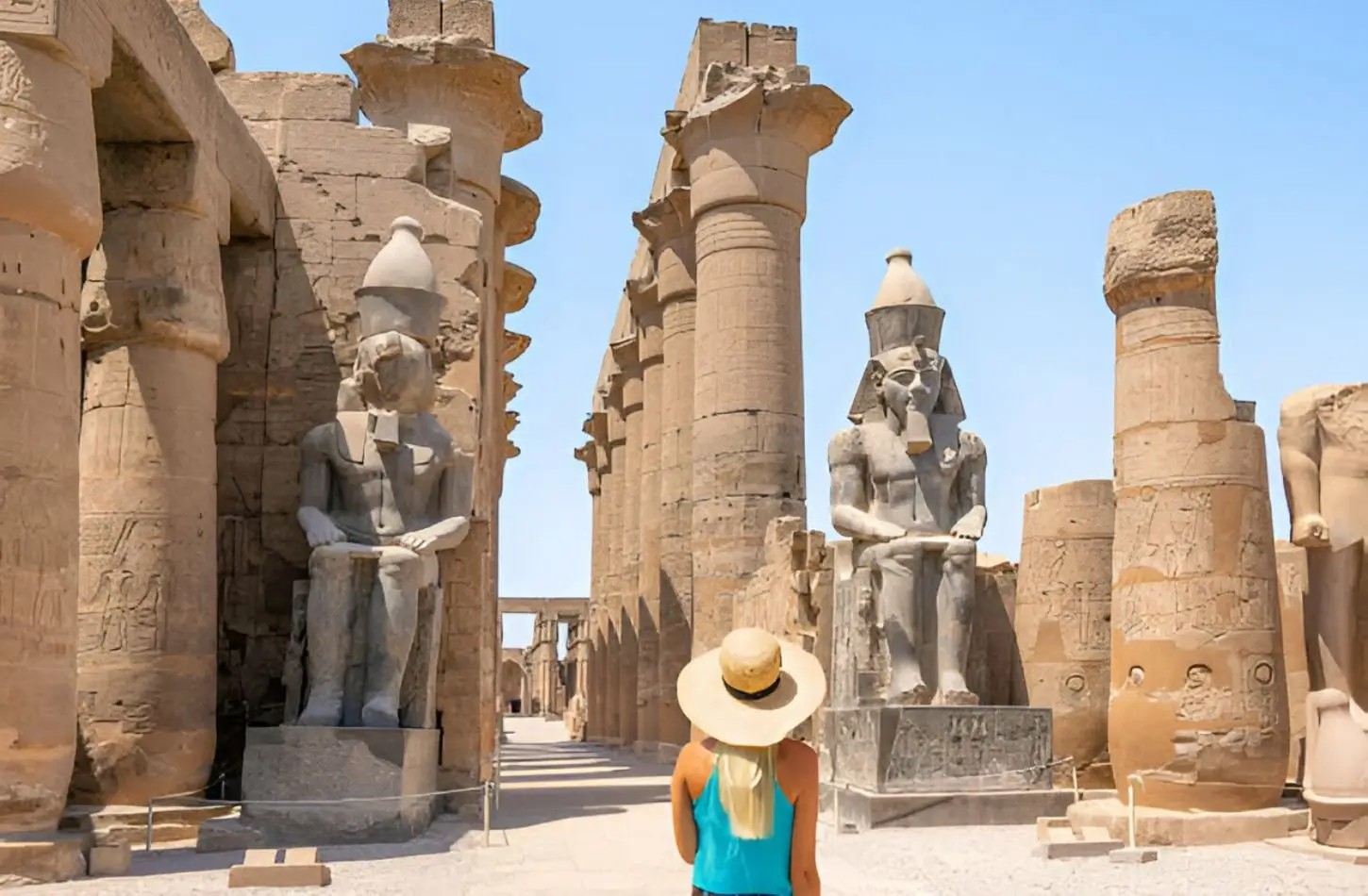
A self-guided tour of Luxor Temple lets you explore at your own pace. As you enter, the grand colonnade will amaze you. It’s a long avenue with huge pillars that once had a roof.
The grand colonnade is a key feature of Luxor Temple. It’s a good starting point for your tour. Walking here, you’ll see detailed carvings and hieroglyphics on the walls.
Najważniejsze atrakcje Wielkiej Kolumnady
The grand colonnade is not just beautiful; it’s also a peek into the past. It shows the religious and cultural life of ancient Egyptians. Look for scenes of the Opet Festival, a big ritual.
Next, you’ll see the hypostyle hall. It’s a huge room with many columns. This hall was for religious ceremonies and shows the ancient Egyptians’ engineering skills.
Then, visit the sanctuary. It’s the temple’s heart, where sacred rituals happen. The sanctuary is peaceful and lets you see the temple’s spiritual side.
As you explore, take your time to understand Luxor Temple’s history and importance. With these exploration tips, you’ll discover its secrets easily.
Odkrywanie starożytnej symboliki w Świątyni Luksorskiej
Exploring Luxor Temple reveals its deep symbolism. It’s tied to Egyptian mythology and pharaonic beliefs. As you wander, you’ll see many symbols that were key to the ancient Egyptians.
The Avenue of Sphinxes shows the link between earth and sky. Sphinxes, with lion bodies and human heads, symbolize the pharaoh’s strength and knowledge.
Obeliski przy wejściu są bardzo ważne. Te wysokie struktury, pokryte hieroglifami, łączą niebo i ziemię. Działają jako most między bogami a ludźmi.
Throughout the temple, you’ll find gods and goddesses. Each one represents different parts of life and the universe. This shows the rich world of ancient Egyptian mythology.
Understanding these symbols lets you see ancient Egypt’s spiritual and cultural life. It makes your visit to Luxor Temple even more meaningful.
Jak fotografować Świątynię Luksorską jak profesjonalista
Luxor Temple is a stunning place for photographers. But getting great shots takes more than just taking pictures. You need to think about lighting, how you arrange things, and the small details that make it special.
Optymalne oświetlenie: Najlepszy czas na robienie zdjęć to wczesny poranek lub późne popołudnie. Miękkie, złote światło sprawia, że starożytne kamienie wyglądają niesamowicie. Unikaj ostrego słońca w południe, aby uniknąć złych cieni i refleksów.
Techniki kompozycji: Spróbuj różnych kątów i widoków. Fotografowanie z niskiej lub wysokiej perspektywy może uczynić twoje zdjęcia bardziej ekscytującymi. Dodanie ludzi do twoich zdjęć pomaga pokazać rozmiar i otoczenie.
Capturing Details: Luxor Temple is famous for its detailed carvings and statues. Use a macro lens or your camera’s macro setting to get up close. Look at the stories and myths in the carvings to add depth to your photos.
By using these photography tips, you can capture Luxor Temple’s beauty and history. This will make your photography journey very rewarding.
Etykieta kulturowa i wytyczne dla odwiedzających w Świątyni Luksorskiej
Kiedy odwiedzasz Świątynię Luksorską, znajomość zasad kulturowych jest kluczowa. To poprawia twoją wizytę i okazuje szacunek. Świątynia ma duże znaczenie w historii i religii.
W Świątyni Luksorskiej ważne jest, aby ubierać się skromnie. Noś ubrania, które zakrywają ramiona i kolana. To okazuje szacunek dla miejsca i jego ludzi.
Also, you should remove your shoes in some areas or mosques. It’s a sign of respect and keeps things clean. Always listen to the signs or what the guides say about this.
Przestrzeganie tych zasad sprawia, że twoja wizyta jest lepsza zarówno dla ciebie, jak i dla lokalnych mieszkańców. Pomaga to wszystkim dobrze się bawić. To także sprawia, że twoja wizyta jest bardziej znacząca.
Łączenie Świątyni Luksorskiej z innymi cudami archeologicznymi
To see the true beauty of ancient Egypt, visit the Luxor Temple and other key sites. The Luxor area is full of historical spots. They help us understand ancient Egyptian culture and traditions.
The Karnak Temple is a must-see near the Luxor Temple. It’s a huge complex with many buildings. It shows off ancient Egyptian architecture and their religious ways.
The Valley of the Kings is famous for its grand tombs. Many pharaohs, like Tutankhamun, are buried here. It’s a great place to learn about ancient Egyptian burial customs.
Don’t miss the Tombs of the Nobles either. These tombs have colorful paintings of daily life and rituals. They give us a peek into the social life and culture of ancient times.
Visiting these sites, along with Luxor Temple, makes for a great trip. You’ll get to see the best of ancient Egypt’s history and culture.
Podstawowe wskazówki na niezapomniane doświadczenie w Świątyni Luksorskiej
Niezapomniana wizyta w Świątyni Luksorskiej wymaga dobrego planowania i znajomości kultury. Oto kilka wskazówek, które mogą pomóc.
Po pierwsze, zaplanuj swoją wizytę w oparciu o pogodę. W Luksorze latem jest bardzo gorąco. Dlatego idź wcześnie rano lub późnym wieczorem. Noś wygodne buty i ubrania odpowiednie do pogody.
Second, be respectful of the local culture and traditions. Dress modestly. Don’t take pictures of people or inside places without asking. This shows respect and makes your visit better for everyone.
Third, take your time to explore the temple. Luxor Temple is full of history and amazing architecture. Take a guided tour or explore on your own. This way, you’ll see all the details and symbols.
Na koniec, odwiedź także inne lokalne atrakcje. Luksor ma wiele archeologicznych cudów. Zobaczenie tych miejsc może pomóc ci lepiej zrozumieć i cieszyć się świątynią.
By following these tips, you’ll have a great time at Luxor Temple. Being ready, respectful, and open to the site’s history and culture will make your visit unforgettable.
Podsumowanie: Przyjęcie ponadczasowej majestatu Świątyni Luksorskiej
Standing before Luxor Temple, you see more than just history. You feel the timeless beauty that has drawn people for centuries. This temple shows Egypt’s rich past and culture, still amazing visitors today.
Your visit to Luxor Temple is special. It’s a chance to learn about this important place. By exploring and respecting it, you help keep its history alive for others.
Leaving Luxor Temple, you remember more than just a visit. You understand the value of preserving our cultural treasures. You take with you a newfound respect for Luxor Temple’s enduring beauty.