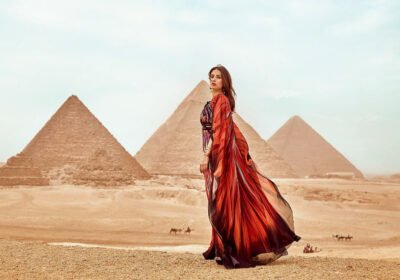
Get ready to see one of the greatest ancient Egyptian wonders. It’s in Luxor, on the Nile’s east bank. This huge site shows the smartness and faith of a people who lived over 4,000 years ago.
Ten kompleks religijny jest największym, jaki kiedykolwiek stworzono. Przyciąga dziesiątki tysięcy odwiedzających rocznie. Jego ogromny rozmiar i głęboka historia sprawiają, że jest to miejsce, które trzeba zobaczyć dla ludzi z całego świata, w tym z Stanów Zjednoczonych.
Exploring this site, you’ll learn about its creation and its importance to ancient Egyptians. It’s a journey into the past.
Historyczne znaczenie Świątyni Karnak
Karnak Temple has been a symbol of ancient Egypt’s faith for centuries. It started during Senusret I’s time in the Middle Kingdom. Over 2,000 years, it grew, touching many dynasties and pharaohs.
Świątynia Karnak była kluczowym miejscem kultu w Tebach. Była głównie poświęcona Amonowi, bogu-królowi. Faraonowie tacy jak Hatszepsut, Tutmoz III i Ramzes II uczynili ją jeszcze bardziej imponującą.
Visiting Karnak Temple is like stepping back in time. You see how ancient Egyptian beliefs and building skills evolved. It has sanctuaries, halls, and obelisks that tell of Egypt’s glory and faith.
The temple is more than a place of worship. It shows the power and culture of Egypt’s pharaohs. Now, Karnak Temple is a top spot for tourists, drawing people from everywhere.
Planowanie wizyty: Kiedy i co zabrać
Before you go to Karnak Temple, knowing the best times and what to bring is key. It’s located just 2.5 km from Luxor, making it easy to get to.
Najlepszy czas na wizytę w Świątyni Karnak to okres od października do lutego. Pogoda jest chłodniejsza, idealna do zwiedzania świątyni.
Wear comfy clothes and shoes for walking. The sun is strong, so bring sunscreen, a hat, and water. A guide can also make your visit better, sharing the temple’s history and importance.
For more tourist information, check travel advisories and opening hours. Your trip to Karnak Temple will be unforgettable. It’s a great part of your Egypt travel journey, showing the country’s rich history and culture.
Jak dotrzeć do Świątyni Karnak z Luksoru
Świątynia Karnak znajduje się na wschodnim brzegu Nilu, blisko Luksoru. Możesz tam dotrzeć taksówką, autobusem lub pieszo. Każda opcja ma swoje zalety i koszty.
Staying in Luxor? Taking a taxi is easy. Taxis are everywhere, and it’s a 10-15 minute ride to Karnak. Talk to the driver about the fare first.
Using the bus service is another choice. Buses often go between Luxor and Karnak. It’s cheap and quick, but it might be crowded.
Want to take it slow? Walking is a good option. It’s 3 kilometers to Karnak from Luxor, taking about 30-40 minutes. You’ll see nice views and meet locals.
Wybór sposobu dotarcia do Świątyni Karnak jest łatwy. Wybierz to, co pasuje do twoich planów i ciesz się wizytą w tym niesamowitym miejscu.
Zakup biletów i nawigacja po punktach wejścia
Wizyta w Świątyni Karnak zaczyna się od zakupu biletów i wejścia. Możesz kupić bilety w budkach przy głównym wejściu. Staraj się dotrzeć tam wcześnie, aby uniknąć tłumów, które przychodzą później.
Opcje biletów: Istnieje wiele rodzajów biletów do Świątyni Karnak. Możesz wybrać standardowe bilety na główne obszary lub bardziej szczegółowe bilety z dodatkowymi atrakcjami lub wycieczkami.
After buying your ticket, you’ll need to find the entry points. The main entrance is the best way in, leading to the Hypostyle Hall and other important parts of the temple. Make sure to have your ticket ready for the guards.
Aby lepiej wykorzystać wizytę, przyjdź wcześnie rano lub późnym popołudniem. Unikniesz w ten sposób najgorętszych godzin słonecznych. Ułatwi to również wejście i poprawi twoje doświadczenie w starożytnej Świątyni Karnak.
Krok po kroku zwiedzanie Wielkiej Hali Hypostylowej
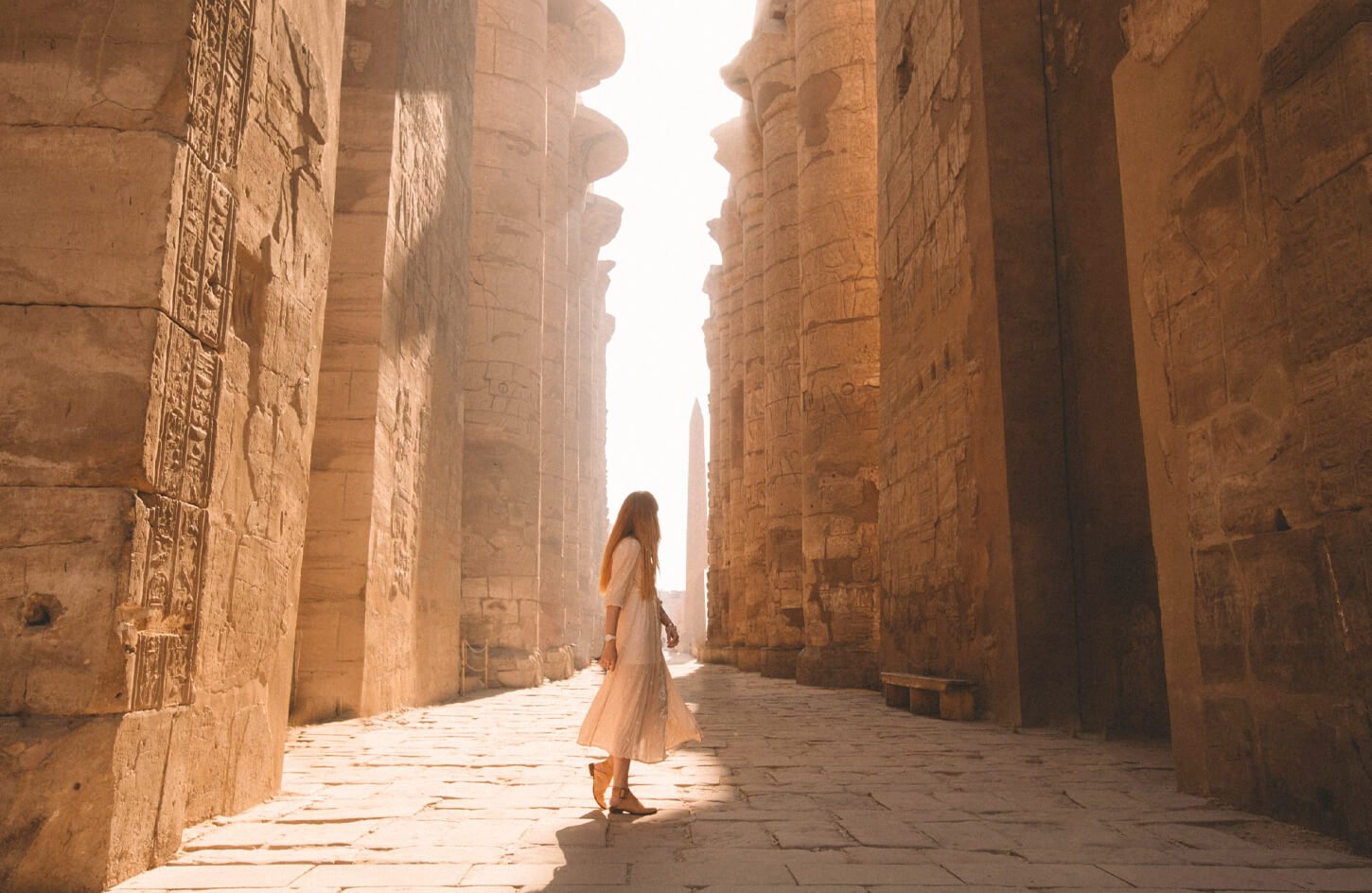
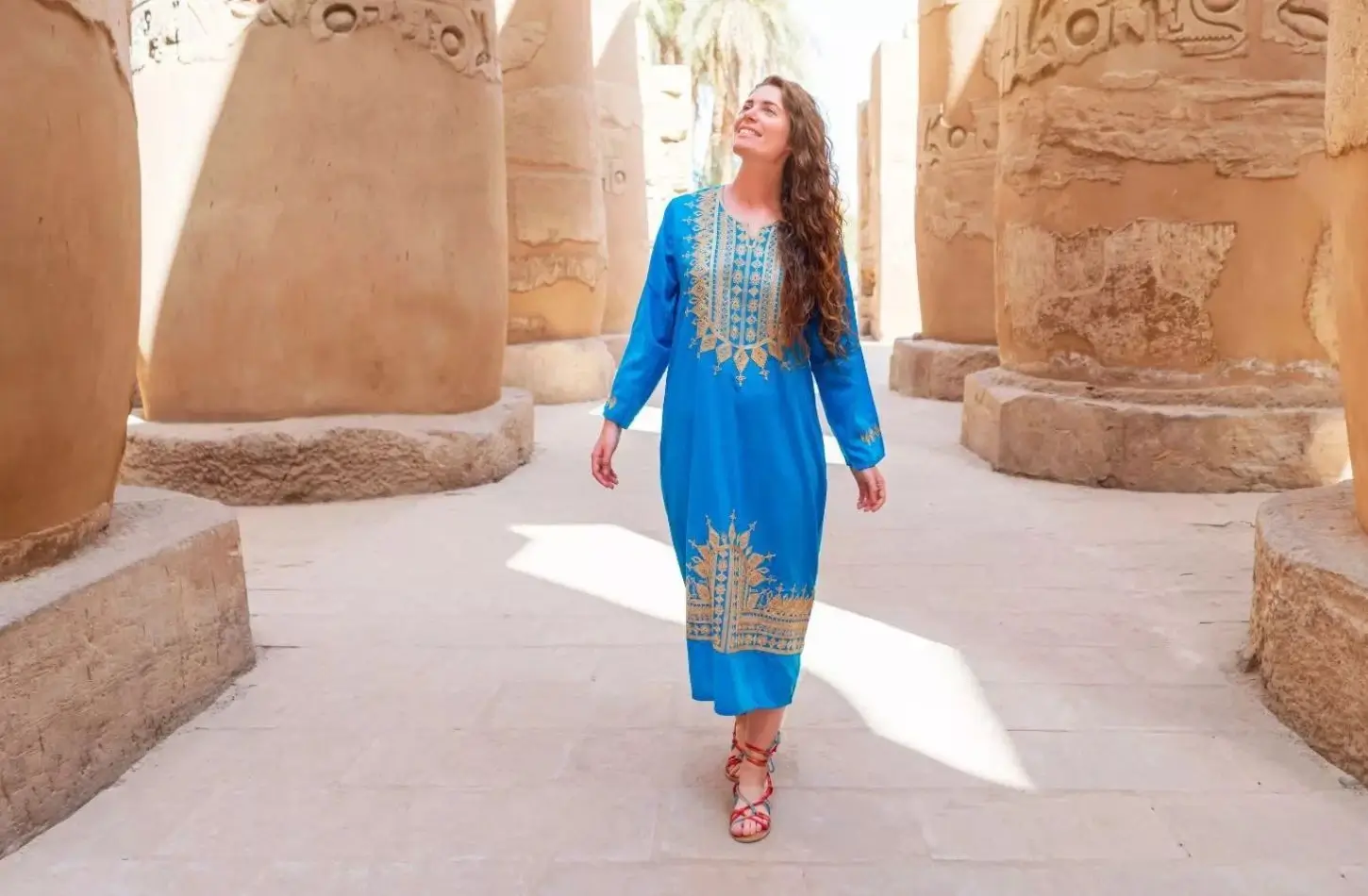
The Great Hypostyle Hall is a wonder of ancient architecture. It’s a key spot to see at Karnak Temple. As you step inside, you’re hit with its huge size, covering 54,000 square feet.
This hall is famous for its 134 massive columns. They are set up in 16 rows. These columns show off ancient Egypt’s grand religious practices. Walking through, you’ll see detailed carvings and hieroglyphics on the columns. They tell stories of gods and pharaohs.
The height of the columns is truly amazing. The center columns reach over 80 feet tall. Building this hall was a huge job. It needed thousands of workers. It shows the ancient Egyptians’ amazing engineering skills.
The hall was built during Pharaohs Seti I and Ramses II’s times. Its design shows their religious and political goals. Exploring this hall gives you a deep look into ancient Egypt’s life and architecture.
When you finish your tour, take time to think about the historical significance of this place. The hall is not just a marvel of architecture. It’s also a peek into ancient Egyptians’ lives, rituals, and beliefs.
Jak odkrywać Święte Jezioro i Statuę Skarabeusza
Święte Jezioro to spokojne miejsce w Świątyni Karnak. Było kluczowe w starożytnych egipskich rytuałach. Kapłani używali go do oczyszczenia, co pokazuje jego głęboką wartość duchową.
Exploring the Sacred Lake, you’ll see its significance in ancient rituals. Priests purified themselves here before ceremonies. This shows its big role in their lives.
Next to the lake is the Scarab Statue. It’s a symbol of rebirth and protection in ancient Egypt. The scarab beetle was linked to the sun god, believed to offer strong protection.
Odwiedzając Święte Jezioro i Statuy Skarabeusza, pomyśl o ich kontekście historycznym. Znajomość ich ról w rytuałach sprawia, że Świątynia Karnak staje się jeszcze bardziej wyjątkowa.
Keep exploring Karnak Temple and its stories. The Sacred Lake and Scarab Statue give a peek into ancient Egypt’s spiritual past.
Discovering the Ancient Obelisks: A Visitor’s Guide
As you explore Karnak Temple, you’ll see the amazing obelisks. These huge stones were made from one piece of granite. They were placed at temple entrances, showing the sacred mountains of ancient Egypt.
The obelisks at Karnak are not just tall and impressive. They also hold deep religious and historical value. The obelisk by Queen Hatshepsut is famous. It’s known for its detailed carvings and important messages.
At Karnak Temple, the obelisks are more than just big stones. They open a window into ancient Egypt‘s myths, beliefs, and building skills. Located in Luxor, Karnak Temple is full of historical and archaeological wonders. The obelisks are a must-see when you visit.
Widząc te starożytne pomniki, zyskujesz wyjątkowy wgląd w przeszłość. Stojąc przed tymi ogromnymi kamieniami, czujesz umiejętności i poświęcenie, które włożono w ich stworzenie.
Decoding the Temple’s Hieroglyphics and Carvings
The intricate hieroglyphics and reliefs at Karnak Temple are more than just decorations. They hold secrets of a long-lost civilization. As you explore the temple, you’ll see walls, columns, and ceilings covered in these ancient artworks.
Hieroglify w Świątyni Karnak opowiadają historie faraonów i bogów. Przekazują duchowe i mitologiczne tematy oraz dokumentują wydarzenia historyczne. Język hieroglifów był skomplikowany, używając symboli do wyrażania słów i dźwięków. To pozwoliło starożytnym Egipcjanom dzielić się złożonymi ideami i opowieściami.
Rzeźby w świątyni są również bardzo ważne. Pokazują sceny z codziennego życia, rytuałów i bitew. Te rzeźby ukazują artystyczne umiejętności starożytnych Egipcjan. Dają nam również wgląd w ich wierzenia i praktyki.
Zrozumienie Symboliki
Symbolism was key in the hieroglyphics and carvings at Karnak Temple. Symbols represented different gods, goddesses, and concepts. For example, the ankh symbol meant life, and the was sceptre meant power. Knowing these symbols helps us understand the messages in the temple’s artwork.
When you visit Karnak Temple, take your time to look at the hieroglyphics and carvings. Each symbol, each carving, and each hieroglyph holds a piece of history and insight into ancient Egypt. By understanding these elements, you’ll appreciate this magnificent temple and the civilization that built it even more.
Photography Tips for Capturing Karnak’s Monumental Architecture
Karnak Temple in Luxor, Egypt, is a dream for photographers. It has detailed carvings and huge architecture. It’s a place where you can really feel ancient Egypt’s spirit.
Pomyśl o tym, kiedy powinieneś przyjść. Wczesny poranek i późne popołudnie są najlepsze. Światło jest miękkie i złote, co sprawia, że kamienie wyglądają niesamowicie.
Look for cool angles and views. Try low-angle shots to show off the huge pillars. Or get close to see the temple’s carvings and symbols.
Also, check out the temple’s area for special views. The Sacred Lake and gardens are calm and beautiful. They match the temple’s big size perfectly.
By using these tips, you can really show what Karnak Temple is like. You’ll have great photos and memories from your trip to Luxor, Egypt.
Łączenie wizyty w Karnaku z innymi atrakcjami Luksoru
Aby maksymalnie wykorzystać swoją podróż do Luksoru, odwiedź Świątynię Karnak i inne pobliskie miejsca. Luksor jest pełen starożytnej historii. Możesz zwiedzać wiele miejsc w ciągu jednego dnia lub przez kilka dni.
Luxor Temple is in the city’s heart. It was built by Amenhotep III and Ramses II. Its architecture and history are well-preserved. You can walk from Karnak to Luxor Temple along the Avenue of the Sphinxes.
The Valley of the Kings is famous for its pharaoh tombs. The tombs show ancient Egyptian burial practices. Don’t miss the Mortuary Temple of Queen Hatshepsut. She was a successful female pharaoh known for her trade missions and buildings.
By visiting these places, you can see Luxor’s rich history and culture. Whether you love history or just want to see new places, Luxor has something for everyone.
Podsumowanie: Wykorzystaj w pełni swoje doświadczenie w Świątyni Karnak
Exploring Karnak Temple in Luxor, Egypt, is a journey through ancient history. The temple’s grand architecture and detailed hieroglyphics show the spiritual and grand past of ancient Egypt.
Dobrze zaplanuj swoją wizytę, aby w pełni cieszyć się Świątynią Karnak. Znajomość najlepszych czasów na wizytę i tego, co zabrać, sprawi, że Twoja podróż będzie lepsza. Odwiedzenie innych miejsc w Luksorze może również wzbogacić Twoje doświadczenie.
Walking through the Great Hypostyle Hall, the Sacred Lake, and ancient Obelisks, you’ll feel the history of Egypt. Your visit to Karnak Temple will be unforgettable. Take your time to soak in the atmosphere and capture memories through photos.
Now, you’re ready to explore Karnak Temple and make lasting memories in Luxor, Egypt. This guide will help you enjoy the ancient history that makes this place special.